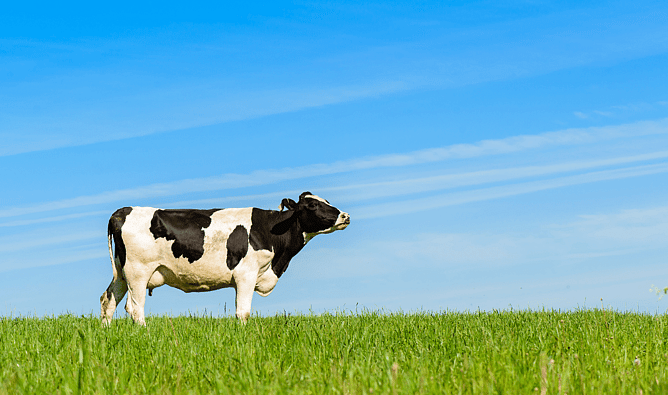
We’re seeing a noticeable increase in reports of ticks this season, particularly on locally grazed cattle around the top of the Grey Valley, in the generally warmer and drier microclimate.
Historically, ticks haven’t been common in our region. When we did see them, they were typically associated with stock recently brought in from other areas.
How big of a problem are they?
During their life cycle, ticks generally attach themselves to stock a few times, where they gorge on blood and then fall off to grow, before looking at finding another host.
While too many of these blood sucking parasites can be detrimental to animal health, they are often too small to bother adult stock in small numbers.
The main issues arise in the diseases that the ticks transmit (like malaria in mosquitos in Africa). One of the main concerns for cattle is Theileria.
What is Theileria and how does it spread?
It is a parasite that destroys red blood cells and only affects cattle.
As we are getting warmer, we may see cattle ticks spreading south and bringing Theileria with them (like what we have seen happen with facial eczema in the last 10 years).
If an area does not have ticks, there is no risk of Theileria spreading from cow to cow, although there have been occasional reports that it can spread with dirty needles. It should be good practice to use a clean needle between mobs anyway, and it is important to note that there is no spread just from cow-to-cow contact.
How does it affect cattle?
Theileria causes anaemia, which reduces the number of healthy red blood cells in the body. As these cells carry oxygen around the body, having fewer of them means tissues cannot receive the oxygen they need to function optimally.
Like people with anaemia, affected cattle may appear normal at rest. However, in periods of stress, such as calving, or during bad weather, they are less able to cope and their performance can suffer. This is when we see clinical cows that go down and cannot get back up, no matter how many metabolic bags they are given.
With a reduced red blood cell count, their ability to respond to additional disease challenges can also be compromised
DairyNZ has a Field Anaemia Nearest Indicator (FANI) score card, which helps estimate the level of anaemia in animals.
Treatment options
Unfortunately, there is no licensed treatment of Theileria in New Zealand. In severe cases, we can do blood transfusions from healthy cows, or medical management.
We can kill ticks with a pour-on like Bantix, which will kill the tick when it bites the host but does not have a long prevention period.
Prevention is key
Stopping ticks getting onto your farm is the first step, as without them there is no risk of Theileria spreading.
In places like Northland and Waikato, where it is endemic, the cattle there are exposed to it as calves, at a low stress period of their lives. Over time, they build up their own immunity to Theileria and, as long as they continue to have some exposure, that protection generally stays with them. Issues tend to occur when cattle have never encountered it before, or when it appears in an area where stock haven’t previously been exposed.
This article isn’t intended to cause alarm. We just want to give you some insight into the potential risk of ticks in cattle this season and to encourage you to keep an eye on your stock and let us know if you notice anything unusual. As always, we’re happy to answer any questions or concerns you may have.