This season has proven to be a challenging one, with a rather wet October and a constant flow of rain, which may be keeping the grass growing, but has never really given paddocks the chance to dry out.
One issue that we are seeing on quite a few farms is elevated cell counts, and an increase in clinical and sub-clinical mastitis. If this is happening to you, you are not alone!
Below are a few ideas to help deal with the wind down of this season and a safe transition into the dry period:
Herd testing
One of the key things we want to be able to do is identify those high cell count, sub-clinical mastitis cows. Herd testing gives us an accurate cell count and is also an indicator of production per animal. A more basic method would be to RMT (rapid milk test) the herd. Once we have identified the cows that are responsible for the highest counts, we can make choices about what to do with them.
Identifying bacteria
We have in-house milk testing tools to help identify the cause of these high cell count cows. Whether the results show environmental or contagious bacteria, this knowledge can help you narrow down ways to improve – either by looking inside the shed or outside of it. Knowing the predominant bacterial cause can also help you make culling decisions (see point on 'culling efficiently' below).
Treating with Dry Cow
The research suggests that treating high cell count subclinical cows with lactation antibiotics is not economically viable. The best results will be through dry cow treatment. With the unpredictability of this season, we have already started having early dry cow and milk quality discussions with some farmers. If you want Dry Cow on hand sooner rather than later, please give the clinic a ring and we will get an action plan in place for you. We have moved away from Infovet, so if you haven’t already, please allow us access to MINDA or MyHerd apps so we can use your data to guide the best decision making for you.
Culling efficiently
Certain bacteria are harder to kill than others. Staphylococcus aureus can encapsulate itself in the udder and ‘hide’ from the antibiotics. If a cow has been chronically high in SCC all season or suffers recurrent mastitis (temporarily cured but then clinical again), and testing confirms it’s caused by Staph.aureus, culling her rather than attempting a dry cow treatment is usually the more effective approach.
Checking the milking shed
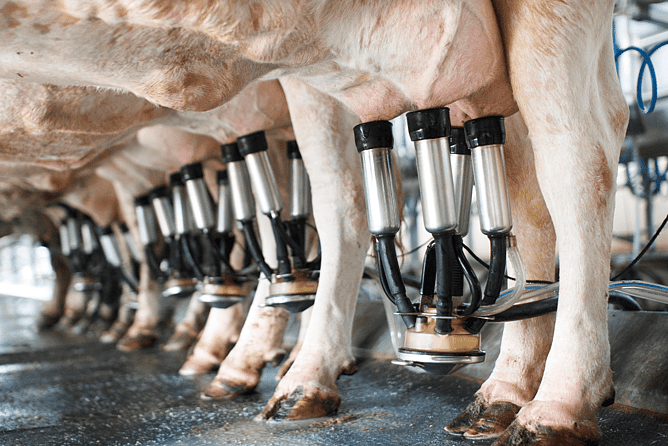
As the season progresses, the shed naturally experiences wear and tear. If you suspect any issues, a shed check can help rule out common causes of shed-related high cell counts. Remember to change the rubber liners, as use and age give them little cracks which allow bacteria to colonise and hide from wash chemicals.
Maintaining a good milking routine
The season is starting to wind down and people are becoming tired after long months of milking. Remind staff to keep up good levels of hygiene, wear gloves, strip quarters, and teat spray to cover all teats. Check the teat spray and machine washes are at the right concentrations.
If you are still having issues with high cell counts and mastitis, please give us a call. It is a wide subject – too big to include all useful points in a single article! Plus, every farm differs in conditions and the problems, or challenges, they face.
Upcoming Mastitis event
We, in conjunction with AgriHealth, will be hosting a Mastitis dinner at the Union Hotel in Greymouth on Monday 16th March 2026. AgriHealth will do a talk on the benefits of testing, and Laurence will add a few slides at the end about what we are seeing locally. This is open to farm owners and farm staff. Please RSVP with numbers to Greymouth West Coast Vets.