Deer

OUR APPROACH

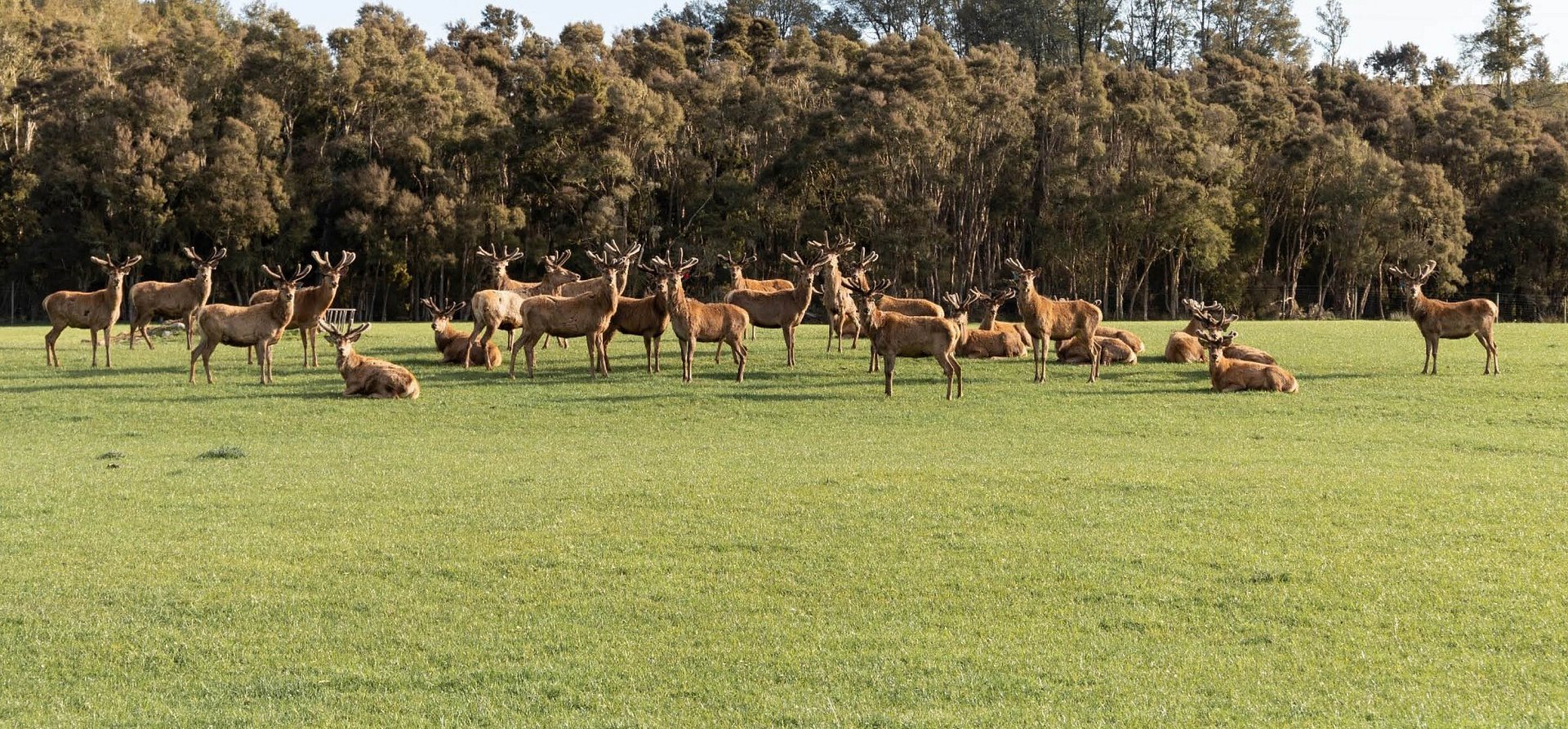
From the tip of the antlers to the tail, your Deer health is covered.

Our West Coast Vets team's experience in deer work ensures that our clients continue to receive top-notch advice and on-farm services for their deer.

Velveting

West Coast Vets has numerous veterinarians that can remove velvet from young spikers through to mature stags. We are able to sedate and reverse animals if you do not have facilities that can safely immobilize the stag. Spikers can have NaturOrings applied the day of or the day before they go on the truck to the works, or the velvet can be removed at least a week before slaughter.

Johne's

Johne's disease is a major problem on many deer farms, but can be subclinical on others. It is best to catch the disease early to sort out potential issues before too many detrimental effects occur. West Coast Vets works closely with Johne's Management Ltd and has many tools available to help survey Johne's disease incidence on your farm, and ways to prevent it from becoming worse.

We are always here to help so please contact any one of our clinics and one of our vets will be able to assist where possible.

THE BENEFITS

Why West Coast Vets is a great choice

We're locals

We’ve been located throughout the West Coast area for decades. It’s where we’re from and where we raise our families.

Wide network

We’re plugged into the Veterinary world and our team can call on expertise from all over the world, then deliver it locally.

Handy clinics

We’re close to you for consults, supplements, supplies...whatever you need. Pop on in or organise a delivery.

FURTHER READING

Latest news
Emergency vet visit or not?

We are available to provide your pet with urgent/emergency care outside of your clinic’s normal business hours. But how do you tell when your pet needs emergency attention?Read more

What to do with high cell count cows?

A high somatic cell count is a strong indicator of subclinical mastitis. Typically when you think of mastitis, you think of clotty milk, inflamed udders, and sick cows, but subclinical mastitis doesnRead more

FEC testing calves before drenching

Responsible drenching is becoming widely talked about. As an industry we need to shift towards only drenching calves when they need it. This saves on money (less product used) and time (fewer hoursRead more

Passive transfer results from calving time

We had a few of our farms do passive transfer (PT) testing on their calves this season. PT testing checks for absorption of immunoglobulin from colostrum, and therefore the passage of immunityRead more

Careful with pets and Christmas treats

Christmas treats are something we all look forward to, but for our furry friends, some of these can be extremely toxic, so it is important to keep them out of reach. If you have a pet with a penchantRead more

Caring for pets over the holidays

The Christmas holidays are fast approaching. If you are heading away, now is a good time to start thinking about what plans you need to make for your pets.   Will you leave them at home and getRead more

A lame cow is a cow in pain

A lame cow eats less, which means she then produces less, and she’ll be more likely to struggle getting in calf. Good prevention and early action when you do have a case saves you time and money, aRead more

The benefits of heat detecting before mating

Pre-mating heat detection has several benefits – and they make up for the amount of tail paint used! By observing and recording your cows’ heats before the start of mating, you can make moreRead more

Preparing for reproduction

There are a lot of ways to try to optimise your cows getting back in-calf as quickly as possible.  Firstly, make sure your herd is on a rising plane of nutrition. For a nutritional consultation, getRead more

Trace elements: Are your results normal?

Our advice as vets is to check your stock’s trace element levels before mating, even if your mineral supplementation hasn’t changed or you tested cull cows at dry off.  Unfortunately each seasonRead more

Keeping your pets safe and calm during fireworks

Fireworks can be a beautiful sight, but they can also be stressful for our pets. Here are some simple, practical tips to help keep your animals safe, comfortable, and calm as possible during fireworkRead more

Understanding ear infections in dogs 

The most frequent type of ear infection canines experience is called otitis externa, which simply means inflammation of the outer ear canal. While dogs with floppy or hairy ears (think cockerRead more